

1. Start Small
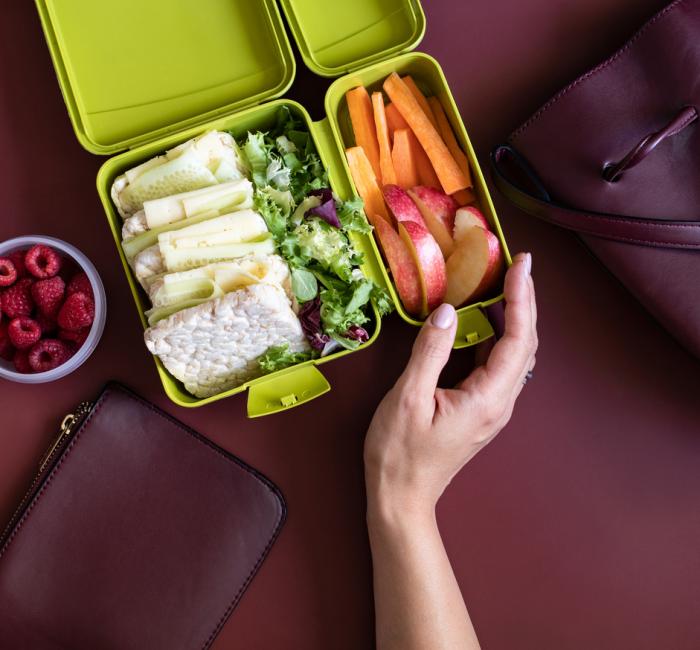
Don’t try to change everything overnight. Begin with one healthy habit per week, like drinking more water or adding an extra serving of vegetables to your lunch. Small changes are easier to stick with and add up over time. And every little step brings pride.
2. Plan Your Meals Ahead
Healthy choices often start with good planning. Create a weekly menu and prepare your shopping list. This helps you avoid reaching for unhealthy snacks when hunger strikes. Plus, planning ahead keeps your mind clear, you don’t have to waste energy every day deciding what to eat. When decisions are made in advance, it’s easier to stay consistent and stress-free.
3. Make Vegetables the Star
 Vegetables are not only healthy but also versatile. Think colorful salads, roasted veggies, or a hearty vegetable soup as a snack. Try starting every meal with vegetables, you’ll automatically boost your intake of vitamins and fiber. Fruits and vegetables each contain different vitamins, minerals, and phytonutrients, so eating a wide variety is incredibly beneficial for your gut health and overall well-being. Diversity in your diet supports a healthy microbiome, which plays a key role in digestion and immunity.
4. Keep Healthy Snacks Within Reach
Place a bowl of fruit on the counter, keep a jar of unsalted nuts on your desk, or prep snack veggies in the fridge. When healthy options are easy to see, you’re more likely to choose them, this is called the “visibility effect” in behavioral psychology. Our brains tend to favor what’s immediately accessible and visually appealing.
Tip: Use pretty bowls and arrange colorful fruits or veggies in an aesthetic way. Not only does this make healthy snacks more tempting, but it also adds a vibrant, decorative touch to your kitchen or workspace. When food looks good, we’re naturally more inclined to eat it!
5. Don’t Be Too Hard on Yourself
Healthy eating is about balance, not perfection. Treat yourself occasionally without guilt. The goal is to make healthy choices the norm, not to ban everything that’s “unhealthy.” If you’re too strict, it often becomes harder to stick with your plan in the long run. Flexibility helps you stay consistent and enjoy the process.
Bonus Tip: Track your progress! Write down what’s working and where you still face challenges or use a nutrition app. This keeps you motivated and helps you improve step by step.